
Polyaspartic vs Polyurethane: Which Is Better?
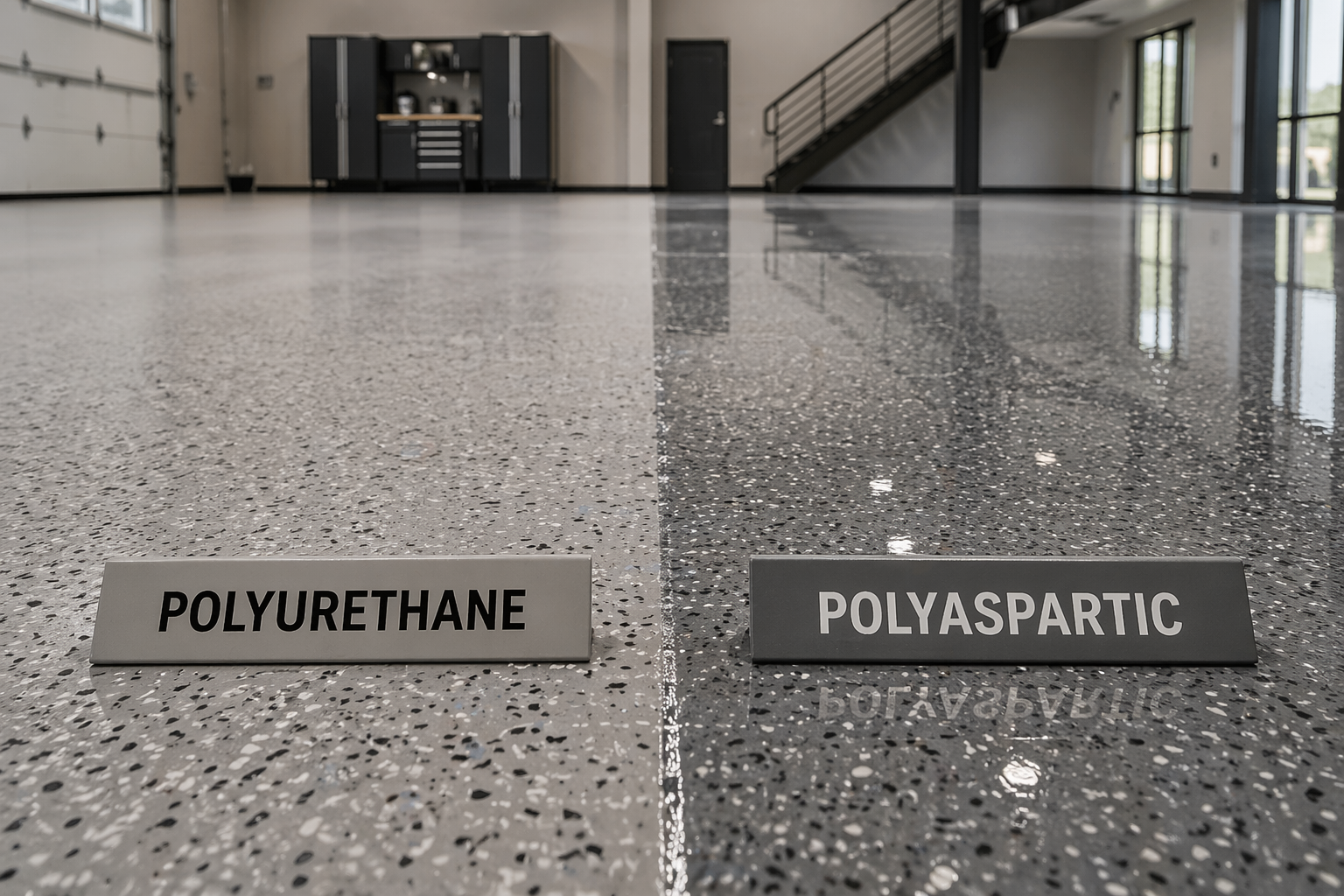
Choosing the right epoxy floor top coat can make or break the performance of your flooring system. While epoxy provides the base strength, the top coat is what protects it from wear, sunlight, chemicals, and daily use.
Two of the most commonly used top coats today are polyurethane and polyaspartic coatings. Both are durable, both are widely used in residential and commercial flooring, and both come with their own strengths and trade-offs.
If you’re trying to decide between a polyurethane vs polyaspartic top coat, this guide breaks everything down clearly so you can make the right call for your space.
What Is a Polyurethane Top Coat?
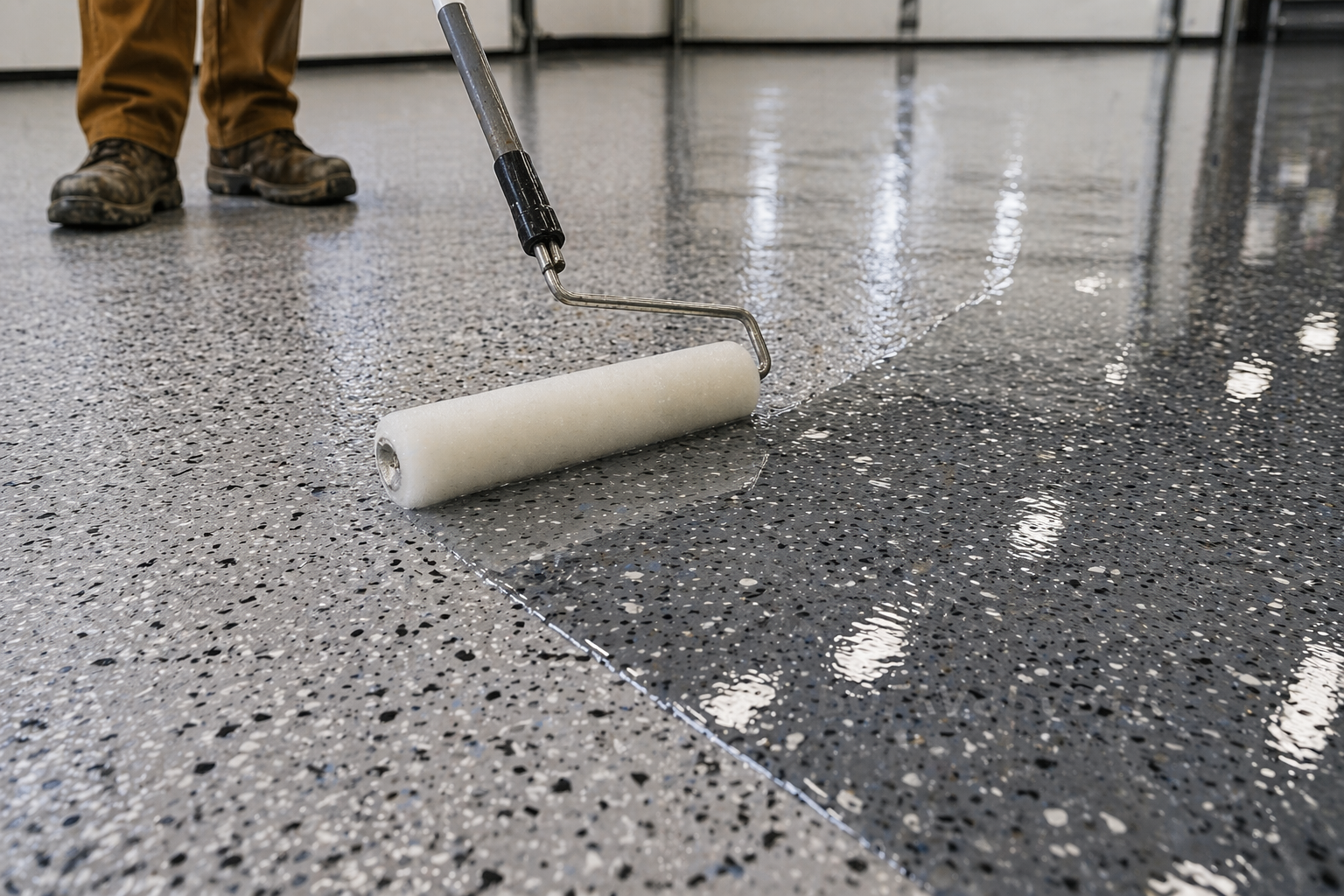
A polyurethane top coat is a protective layer applied over epoxy flooring to enhance durability and resistance. It has been used for decades and is known for its toughness and flexibility, especially in high-traffic environments.
Pros of Polyurethane Top Coatings
● Strong abrasion resistance - Polyurethane coatings perform well in areas with constant foot traffic, making them a reliable option for both homes and commercial spaces.
● Flexible and impact-resistant - Unlike more rigid coatings, polyurethane has a bit of give, which helps prevent cracking from minor impacts or surface movement.
● Good chemical resistance - It can handle oils, grease, and cleaning chemicals without breaking down quickly.
● Cost-effective solution - Compared to newer coating systems, polyurethane is typically more budget-friendly while still delivering solid performance.
● Matte or satin finish options - Ideal for spaces where a less glossy, more subtle look is preferred.
Cons of Polyurethane Top Coatings
● Longer cure time - Floors may take several days before they are fully ready for heavy use.
● Noticeable odor during installation - Proper ventilation is important, especially for indoor applications like basements.
● UV sensitivity - Over time, exposure to sunlight can cause yellowing or discoloration.
● Multiple coats often required - Achieving the best finish may take more than one layer, adding to labor time.
What Is a Polyaspartic Top Coat?
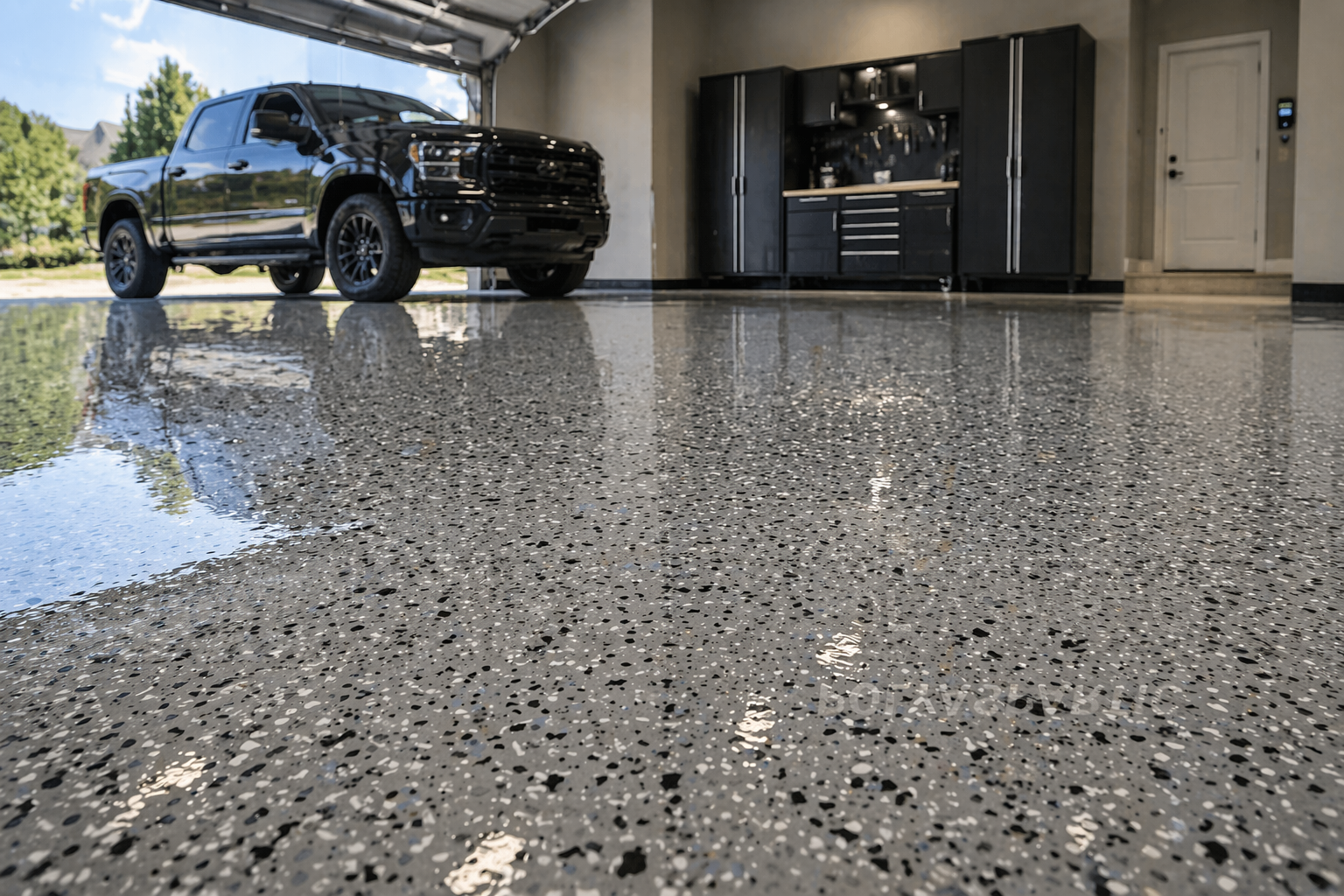
A polyaspartic top coat is a high-performance coating designed for speed, durability, and long-term protection. It’s become increasingly popular for garage floors, commercial properties, and outdoor applications.
Pros of Polyaspartic Coatings
● Fast cure time - One of the biggest advantages. Many polyaspartic floor coatings are ready for foot traffic within hours and full use within a day.
● UV stability - Polyaspartic coatings do not yellow, making them ideal for garages, patios, and any space exposed to sunlight.
● Superior durability - Highly resistant to abrasions, chemicals, and temperature changes, making it a top-tier protective coating.
● Low VOC options available - Many systems are safer for indoor use with reduced odor compared to traditional coatings.
● Single-day installation - Perfect for homeowners or businesses that can’t afford extended downtime.
Cons of Polyaspartic Coatings
● Higher upfront cost - The material and installation cost is typically higher than polyurethane.
● Short working time - It cures quickly, which means installers need to work fast and precisely.
● Less forgiving during application - Mistakes are harder to fix once the coating starts setting.
● Requires experienced installers - Not ideal for DIY projects due to its fast reaction time.
Polyurethane vs Polyaspartic: Key Differences
A comparison table showing the key differences between polyurethane coating and polyaspartic coating, including cure time, UV resistance, durability, flexibility, cost, and installation time.
Which Top Coat Is Best for Your Space?
When comparing polyurethane vs polyaspartic floor coatings, the best choice depends on how the space is used and what matters most to you.
Choose Polyurethane If You Want:
● A more budget-friendly epoxy top coat
● A coating that handles steady foot traffic well
● A softer, more flexible finish
● Indoor applications with limited sun exposure
Choose Polyaspartic If You Want:
● Fast installation with minimal downtime
● A UV-resistant top coat that won’t yellow
● Maximum durability for garages or commercial floors
● A long-lasting, high-performance floor coating system
Where Each Coating Performs Best
● Garage Floors: Polyaspartic is typically the better option due to UV resistance and durability.
● Commercial Spaces: Both work well, but polyaspartic is ideal for fast turnaround projects.
● Basements: Polyurethane is often used, but ventilation and cure time should be considered.
● Outdoor Areas: Polyaspartic is the clear winner due to sun exposure.
Final Thoughts on Polyurethane vs Polyaspartic
Both polyurethane and polyaspartic top coats are excellent choices for protecting epoxy flooring, but they are built for different priorities.
Polyurethane remains a dependable, cost-effective option that performs well in controlled environments. Polyaspartic, on the other hand, offers speed, UV stability, and next-level durability, making it the preferred choice for high-performance applications.
If you’re investing in a new floor coating system, choosing the right top coat ensures your floors not only look great but also last for years under real-world conditions.
Ready to Upgrade Your Floors?
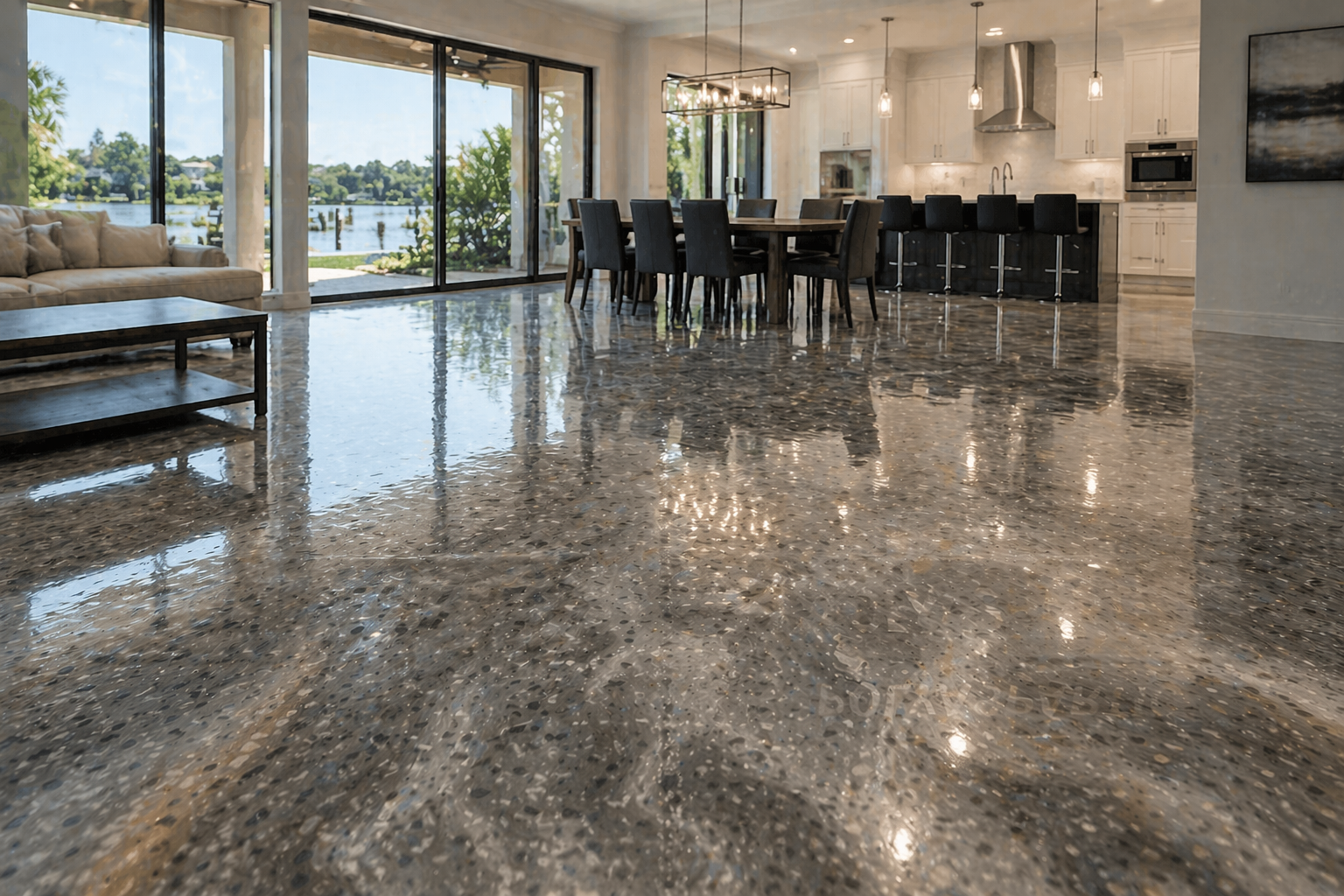
Choosing the right top coat is only part of the equation. The quality of the installation plays a major role in how your epoxy flooring performs over time. At Safe Coatings, we install high-performance systems using both polyurethane and polyaspartic top coats, tailored to your space, usage, and budget.
Whether you’re upgrading a garage, commercial space, or industrial floor, our team will guide you toward the right solution and deliver a finish built to last. Request a quote today and let Safe Coatings handle your epoxy flooring needs from start to finish.